


Lore & Mythology

The Wheel of the Year
In Caerwyn, the rhythm of life follows the Wheel of the Year—an ancient calendar divided into eight seasons, each lasting forty-five days. These seasons are named after the old sabbats:
Yule, Imbolc, Ostara, Beltane, Litha, Lughnasadh, Mabon, and Samhain.

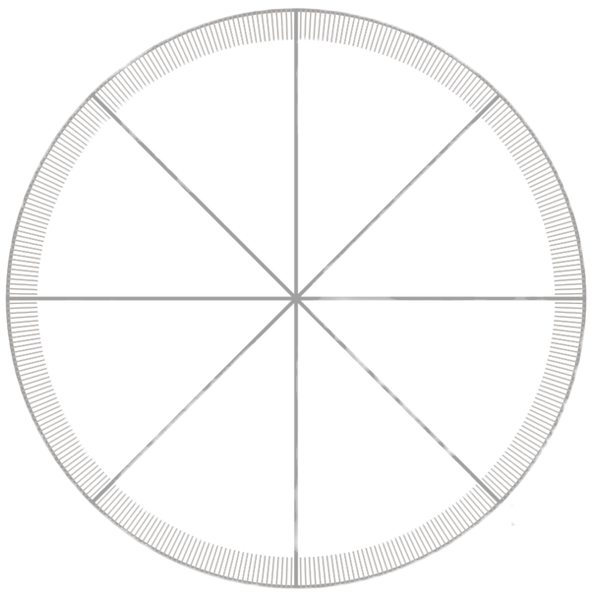
Each sabbat falls on the 45th and final day of a season and marks the transition to the next. The day after Beltane, for example, is the 1st day of Litha. The full year forms a continuous circle of 360 days.
Instead of months, people measure time by season, day, and sometimes weeks—a date might be “the 12th day of Mabon” or “the eve of Samhain” or “two weeks until Yule.” Festivals, planting, and sacred rites all follow this pattern, aligned with the land and sky.
Seasons & Festivals of the Wheel
Winter’s Wake (Imbolc – The Quickening)
-
Time of Year: Late Winter / Early Spring
-
Themes: Renewal, purification, prophecy
-
Symbolism: The first stirrings of life, the return of the sun
-
Significance: A time of spiritual cleansing and new beginnings. Snow melts, rivers swell, and the land awakens. Druids perform rituals of healing and foresight, seeking visions for the year ahead.
The Blooming (Ostara – The Dawn’s Rise)
-
Time of Year: Spring Equinox
-
Themes: Growth, balance, fertility
-
Symbolism: Equal day and night, harmony between worlds
-
Significance: A season of awakening and planting. Seeds take root, spirits are honored, and the balance of light and dark is celebrated.
The Firetide (Beltane – The Wild Hunt)
-
Time of Year: Mid-Spring
-
Themes: Passion, transformation, chaos
-
Symbolism: The veil between realms thins, magic surges
-
Significance: A time of primal energy—a celebration of fire, love, and wild magic. The spirit world is closest to the mortal realm, and ritual dances and sacred unions take place.
The Suncrest (Litha – The Peak of Light)
-
Time of Year: Summer Solstice
-
Themes: Strength, power, enlightenment
-
Symbolism: The longest day of the year, sun magic at its strongest
-
Significance: A time for great oaths, vision quests, and feats of skill. Druids seek wisdom under the full force of the sun, testing their abilities before the light begins to wane.
The Waning (Lughnasadh – The First Harvest)
-
Time of Year: Late Summer
-
Themes: Gratitude, sacrifice, endurance
-
Symbolism: The first harvest, preparation for hardship
-
Significance: A season of gathering and reflection. Crops are reaped, offerings are made, and warriors test their strength before the coming cold.
The Withering (Mabon – The Dimming Veil)
-
Time of Year: Autumn Equinox
-
Themes: Balance, wisdom, preparation
-
Symbolism: Equal night and day, the descent into darkness
-
Significance: A time of reckoning—the land prepares to sleep, and druids seek the guidance of their elders. Decisions made now will shape the months ahead.
The Descent (Samhain – The Night of the Veil)
-
Time of Year: Late Autumn
-
Themes: Death, spirits, ancestral honor
-
Symbolism: The veil between worlds is thinnest, spirits walk among the living
-
Significance: The most mystical and feared time of year. Magic is unpredictable, and ancient forces stir. Divination, shadow work, and remembrance define this season.
The Deeping (Yule – The Longest Night)
-
Time of Year: Winter Solstice
-
Themes: Darkness, rebirth, endurance
-
Symbolism: The longest night, the rebirth of the sun
-
Significance: A time of rest, storytelling, and renewal. The land sleeps, and druids reflect on the past year. It is believed that the first light of dawn on the solstice carries omens for the future.